
Autism Dating Community

Autism Dating App for Authentic Connections

InclusiveDating is the autism dating app for autistic adults who want real conversations without the swipe-and-burn loop of mainstream platforms. Whether you're newly self-diagnosed at 38, identity-first since childhood, AuDHD, level 1, level 2, or somewhere the DSM doesn't have a tidy box for - this is a calmer room. Structured prompts replace small-talk pressure, friendship-first mode is one tap away, and matches arrive from people who already understand what masking costs.

How it works

Free forever · Low-sensory UI · No timed-response pressure

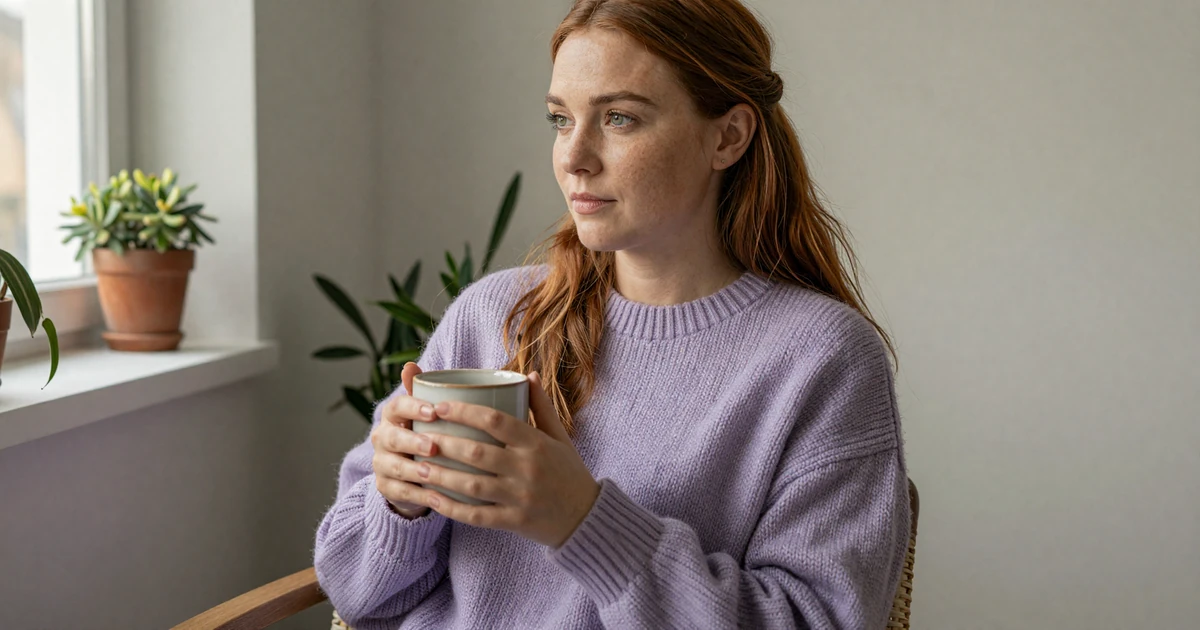
Mira, an autistic adult in a calm reading nook, representing real members of the InclusiveDating autism dating app
Autistic Singles in Numbers

Autistic Adults and Dating in 2026

The data on autism and dating contradicts almost every stereotype the mainstream still carries. Autistic adults want romantic connection at near-identical rates to allistic adults - they are just routed through dating environments that were not built for their nervous systems.

73%
Of autistic adults surveyed report having had romantic experiences; only 7% say they do not want a relationship
Strunz et al., Journal of Autism and Developmental Disorders, 2016
1,900
Monthly U.S. searches for "autism dating app" - second-largest cluster in the disability dating niche
Google Keyword Planner, 2026
3×
Higher suicide risk among autistic adults vs. general population, underscoring why isolation-reducing platforms matter
Hiki / Karriem citing autism prevalence research, 2024
What This Page Covers

What Makes an Autism Dating App Actually Work?

An autism dating app is a platform designed around how autistic brains actually process social information - direct language, predictable interaction patterns, low sensory input, and explicit dating intentions instead of allistic guesswork. It is the difference between asking an autistic adult to "read the room" on Tinder and giving them a structured prompt that says, plainly, "What is one routine you genuinely love?" One produces masking; the other produces a date.

InclusiveDating welcomes the full range of autistic identity: late-diagnosed adults, early-diagnosed adults, those who prefer "autistic person" (identity-first) and those who prefer "person with autism" (person-first), AuDHD daters, autistic adults with co-occurring anxiety, alexithymia or sensory processing differences, and the partners and allies who already know that flat affect is not the same as no feelings. The platform exists alongside our ADHD dating community for shared-neurotype matching, and connects naturally with our neurodivergent couples guide.

The bottom line, up front:

  • 73% of autistic adults want and pursue romantic relationships - the demand is real (Strunz, 2016).
  • Mainstream swipe apps fail autistic users on sensory load, response-time pressure, and intention ambiguity.
  • InclusiveDating uses structured prompts, voice notes, and a friendship-first toggle by default.
  • Disclosure timing is your choice - in profile, after rapport, or never as a headline.
  • Core features are free forever; no credit card required.

For wider context on the disability dating niche overall, the disabled dating site homepage walks through all 12 communities, and our dating someone with autism guide is the companion read for allistic partners.

The Real Advantages

What Autistic Partners Bring to Relationships

Dating coverage of autism is overwhelmingly deficit-framed. The relationship-research literature is not. Autistic adults reliably bring a cluster of strengths that allistic partners describe as the exact things missing from their previous relationships.

Intense Loyalty

Autistic adults tend to commit deeply and stay committed. Once trust is built, the relationship is not casually disposable - a quality long-term partners consistently name as the defining one.

Radical Honesty

Autistic communication is direct by default. There is dramatically less guesswork about what your partner is actually thinking, because they have told you, in clear words, what they are actually thinking.

Deep Focus

Special interests are not a quirk - they are a window. An autistic partner who is interested in you brings the same depth of attention they bring to their favorite subject. That is rare and worth recognizing.

Clear Boundaries

Autistic adults often have well-defined needs around sensory input, social energy, and routine. Those needs, stated upfront, make relationship logistics measurably easier rather than harder.

The Mainstream Problem

Why Swipe Apps Burn Out Autistic Singles

Most autistic adults can tell you, with surgical precision, the exact feature on Tinder or Bumble that exhausts them. NeuroNav's review of mainstream platforms reaches the same conclusion: OkCupid, Plenty of Fish, Tinder and Bumble are not designed against autistic users - they are simply designed for nervous systems that work differently.

Here is where it gets specific. The friction shows up in four predictable places, and every one of them is solvable with design choices rather than diagnosis changes.

NeuroNav notes that Hinge is the gentlest of the mainstream options for autistic users - it is more personalized, supports voice notes, and uses written prompts that anchor conversations. That is the right direction, but it is also a sideways step. A purpose-built autism dating app does not need to retrofit calmness onto a swipe-first engine; it can start from calm.

Built For Autistic Brains

Low-Sensory UI, Structured Prompts, Friendship-First

Every InclusiveDating feature for autistic adults was tested against one question: does this reduce masking, or require more of it? The features below are the ones that consistently reduced masking in beta testing - and they are on by default, not buried in settings.

Low-Sensory UI

Muted lavender and cream palette, generous whitespace, zero autoplay video, optional notification batching. The interface is designed so a 30-minute session does not cost a 90-minute recovery.

Structured Prompts

Profile and message starters are concrete and specific - "describe a routine you genuinely love" instead of "tell me about yourself." Removes small-talk overhead and gives both sides something real to anchor on.

Communication Preference Tags

Specify your preferred response window (within hours, within a day, within a few days), preferred format (text, voice notes, async video), and direct-language preference. Matches see and respect these.

Friendship-First Toggle

One tap switches your profile to friendship-first mode. Many autistic adults build trust through friendship before romance, and forcing the romance frame too early is exactly what mainstream apps get wrong.

Verified Profiles

Every account is photo-verified. The "is this person real?" anxiety that compounds sensory load for many autistic users is removed from the experience entirely.

Interest-Based Group Chats

Moderated community spaces around special interests - gaming, ASL, gardening, programming, niche fandoms. Lower-stakes practice ground for new connections that often grow into one-on-one conversations.

First Date Playbook

First Date Tips for Adults on the Spectrum

NeuroNav publishes the most-shared first-date framework in the autistic adult community for one reason: it stops trying to make autistic dating look like allistic dating, and starts working with how autistic dating actually goes well.

  1. 1

    Choose a sensory-friendly venue

    Quiet café, public park, library reading room, daytime museum. Not isolated, not overstimulating - a Goldilocks zone with predictable sound levels and a clear exit path you can see from your seat.

  2. 2

    Treat the conversation like a ball game

    Ask a question, leave room for the answer, then take your turn. The autistic instinct to deliver a full thought is a feature; pairing it with deliberate pauses for the other person turns it into great conversation.

  3. 3

    Eye contact at your real pace

    Periodic, not constant. A natural, occasional smile signals warmth without forcing the kind of sustained gaze that drains autistic adults faster than the conversation itself.

  4. 4

    Rejection is information, not failure

    Not every date will become a second date, and that is fine for both sides. Being polite and kind on the way out costs nothing and protects your nervous system from the spiral of "I did something wrong."

  5. 5

    Stop masking - let yourself be there

    The single most-repeated piece of advice from successful autistic daters: don't suppress your real self. The person you're meeting deserves to meet the person you'll actually be in a relationship with, not a 90-minute performance.

  6. 6

    Safety rules (any first meeting)

    Well-lit public location. Optional double or group date. Share your live location with a trusted person. If anything feels off, call someone or quietly tell venue staff - both are valid exits with no explanation owed.

More on safe meetups in our safety tips hub, and a deeper breakdown of allistic-partner communication in the dating someone with autism guide.

On Your Terms

When to Disclose Autism on Your Dating Profile

NeuroNav frames this clearly: autism disclosure on a dating profile is entirely a comfort-level decision. There is no universally correct timing, and anyone telling you otherwise is selling something. What follows is the three-option framework most autistic adults in 2026 use to decide.

"Identity-first or person-first, in your profile or never in your profile - the decision is yours. Choose the option that costs you the least masking, not the option that sounds most palatable to an audience you haven't met yet." - InclusiveDating community guidance, 2026

See Neurodivergent-Friendly Matches

Profiles built around structured prompts, communication preferences and real interests - not bright-red swipe gamification. Free to browse, free to match, free to take your time.

Free forever · Verified profiles · No timed-response penalties

Member Story

Caezza & Modugno: An Autistic-Autistic Love Story

Caezza and Modugno met on a neurodivergent-first dating platform, talked for months in a register both could read clearly without effort, and got engaged in November 2024 - a story covered by CBS Mornings. Their relationship is the kind of evidence that autism research has quietly published for years: shared-neurotype couples often report higher relationship satisfaction than neurotypical-mixed pairings.

The first message Modugno sent me had a specific question about a video game I love - not 'hey what's up.' I knew within two replies that I wasn't going to have to translate myself the entire time. We talked for three months before meeting. No timed-response anxiety, no guessing what the other person actually meant, no masking. When we finally went on a first date, it was a quiet bookstore café in the afternoon. We've been together since, engaged in November 2024. The thing nobody tells autistic adults is that the right dating environment doesn't make autism feel less present - it makes autism feel like the least interesting thing about the relationship.

Caezza, an autistic adult in a calm bookstore cafe, representing an autistic-autistic couple success story
Caezza & Modugno Autistic-autistic couple · Engaged November 2024 · Featured on CBS Mornings

More on shared-neurotype dynamics in our neurodivergent couples guide, or read additional InclusiveDating success stories →

Autism Dating App FAQ

Autism Dating App Questions Answered

Is there a dating app for autistic adults?

Yes. InclusiveDating is a dedicated autism dating app for autistic adults - early-diagnosed, late-diagnosed, AuDHD, and self-identified. It features a low-sensory UI, structured profile and message prompts, communication preference tags, a friendship-first toggle, and verified profiles. Core features are free forever, with no credit card required.

How do autistic people start dating?

Autistic adults date most successfully when the dating environment matches how their nervous system actually works: predictable interaction patterns, low sensory input, direct language, and explicit intentions. The 2026 community framework is straightforward - pick a sensory-friendly venue, treat conversation like a ball game (ask, pause, listen, respond), don't mask, and remember rejection is information rather than failure.

What is the 10 second rule for autism?

The "10 second rule" is an informal autistic-community pause technique: when overwhelmed in a social situation, give yourself a deliberate 10-second window before responding. It is not a clinical rule - it is a self-regulation practice that prevents masked or panicked replies. On InclusiveDating, the platform builds this in by removing timed-response penalties entirely, so you can take 10 seconds or 10 hours without algorithmic punishment.

Is autism dating easier on specialist platforms than on Tinder or Bumble?

For most autistic adults, yes - significantly. Mainstream swipe apps create predictable friction on sensory load, response-time pressure, and intention ambiguity. NeuroNav's platform review notes Hinge is the most accessible of the mainstream options thanks to prompts and voice notes, but specialist platforms like InclusiveDating start from calm rather than retrofitting it.

Should I mention autism in my dating profile?

It is entirely a comfort-level decision. NeuroNav frames three valid options: disclose openly in profile (filters audiences early), disclose after rapport has built over a few messages, or disclose only when relevant to a specific situation. Identity-first ("I am autistic") and person-first ("I have autism") are both valid - choose whichever costs you the least masking.

Do autistic-autistic couples have better relationships than mixed-neurotype couples?

Research suggests shared-neurotype pairings often report higher relationship satisfaction. Strunz et al. (2016) found autistic couples frequently reported greater satisfaction than neurodiverse mixed pairings - likely because shared communication norms, sensory preferences, and pacing reduce the daily translation overhead that mixed-neurotype couples often carry without naming it.

How do I handle masking when dating?

The single most-repeated piece of advice from successful autistic daters is to stop masking on dates. Masking attracts partners who match the performance, not the person, and the cost compounds over months. A specialist autism dating app removes most of the social-camouflage incentive in the first place by attracting matches who already know what to expect - so showing up as yourself is the default rather than the risk.

Is InclusiveDating safe for autistic adults to use?

Yes. Every profile is photo-verified, the platform uses human moderation rather than algorithm-only filtering, and all messages happen in-app with no phone number exposure. Our safety tips page covers the four NeuroNav-recommended rules for first in-person meetings: public well-lit venue, optional double-date, shared location with a trusted person, and a known exit plan with venue staff if anything feels off.

Is InclusiveDating free for autistic singles?

Yes. Profile creation, browsing matches, messaging, voice notes, async video, accessibility filters, and access to all 12 disability and neurodivergent communities are free forever. An optional premium tier unlocks advanced filtering and unlimited daily likes, but a complete autism dating experience is fully available on the free plan.

Date at Your Pace, In Your Way

A calmer autism dating app - low-sensory UI, structured prompts, friendship-first by toggle, communication preferences on every profile. Built with autistic adults, not at them.

Free forever · Identity-first · No timed-response pressure