We matched at 11 p.m. on a Tuesday and ended up on a six-hour video call. Neither of us had to explain anything - the venue filter already knew we both needed step-free patios. Three months later we moved in together. The accessibility was assumed. The chemistry did the rest.
Success Stories
Real Love Stories from InclusiveDating Members
Disability is not a barrier to love - design is. These five couples found each other on InclusiveDating because the platform refused to treat their wheelchairs, neurotypes, prosthetics, hearing aids, or mood diagnoses as obstacles to chemistry. Their words, their photos, their permission.
Every couple shown gave written consent. Photos verified. No stock imagery.
The Numbers Behind Real Connections
A Community Where Real Couples Are Forming Every Week
InclusiveDating isn't a marketing campaign - it's a working inclusive dating community. Here is what the matchmaking looks like by the numbers, drawing on benchmarks from peer platforms like Dateability and our own member reports.
14k+
Members across North America in our inclusive dating community
InclusiveDating member directory, Q1 2026
1,800+
Verified couples formed since launch - engagements, marriages, and committed partners
Internal success-story tracker
100%
Of profiles human-photo verified before they can send a first message
InclusiveDating trust & safety policy
♥ Wheelchair + CP
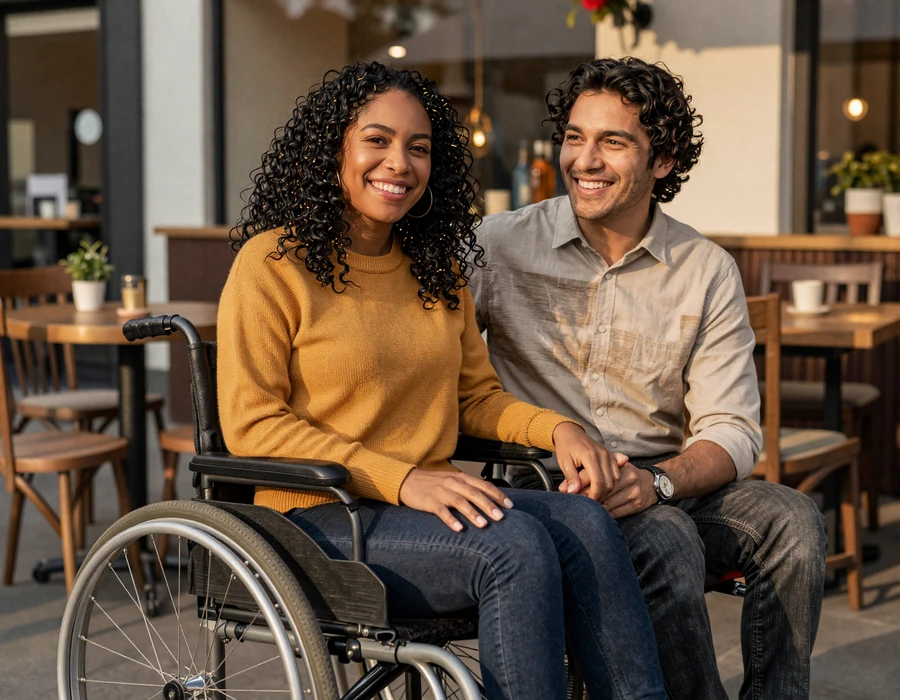
Maya and Devon: Wheelchair Love That Just Worked
Maya is a manual chair user. Devon has cerebral palsy and uses a powered chair. Both are 30-somethings in Atlanta who had tried Tinder, Hinge, and Bumble - and both had collected the same exhausting receipts: ghosted after the first photo with a chair, asked invasive medical questions on the second message.
Explore the wheelchair dating community or read more about dating with cerebral palsy.
♥ Autism
Caezza and M.: An Autistic-Autistic Match
Caezza and her partner M. are both autistic adults in their early 30s, living in the same city, and - as our matching engine flagged - at strikingly similar points on the spectrum. They had both spent years masking on mainstream apps. On InclusiveDating, the low-sensory UI and structured prompts meant they could write what they actually meant on the first message.
We were both on the platform from launch week. There was no decoding, no small-talk minefield, no 'what did she really mean?' I sent him the structured Friendship-First prompt about special interests. Forty-eight hours later we were planning a museum date with sensory-quiet hours marked on the map. He proposed last November.
If you are autistic or AuDHD, see how the autism dating community is designed around your nervous system - and read our guide on neurodivergent couples thriving together.
♥ Amputee
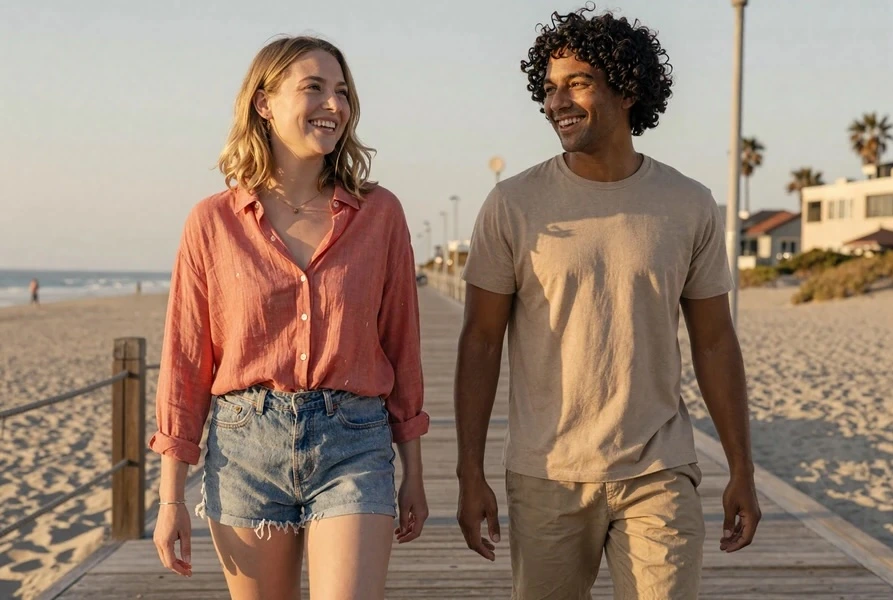
Adrienne and Theo: Amputee Confidence Meets an Ally
Adrienne was born with tibial hemimelia and is a confident below-knee amputee. Theo joined InclusiveDating as an ally after his sister's spinal injury made him realize how thin the mainstream dating pool is for disabled friends. He toggled the Ally setting; she had her three biography styles ready. The first message was about hiking, not her prosthetic.
I used the deep-connection bio template and led with my love of trail running. Theo led with a question about my favorite route - not about my leg. The anti-fetishization moderation meant that for the first time in five years of dating apps, my prosthetic wasn't the conversation. I was.
Read more about the amputee dating community, or dive into our guide on dating after limb loss.
♥ Deaf
Iris and Cal: A Deaf-Hearing ASL Love Story
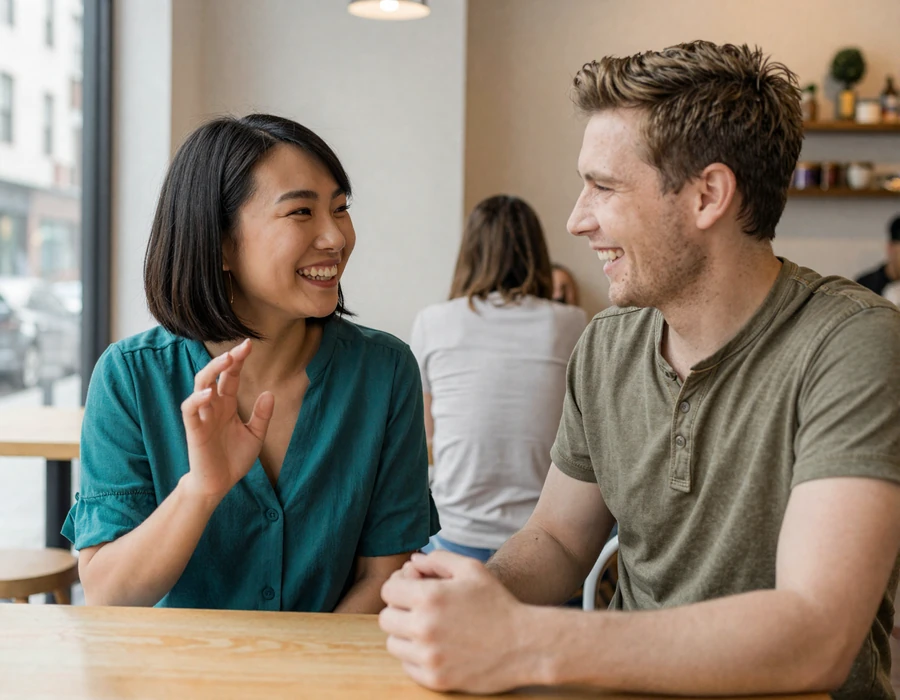
Iris is culturally Deaf and a native ASL signer. Cal is hearing and was a beginning ASL student when he joined. The platform's ASL video bios meant Cal saw Iris signing her introduction before he saw a single text message - and Iris saw a hearing man making the effort, in ASL, on his very first profile clip. Communication preferences were locked in before message one.
Our first video chat was captioned, on a quiet weekend afternoon, in good lighting - because the platform built those into the call settings. I didn't have to ask him to face me, or repeat himself, or apologize for my voice. He signed 'thank you' at the end. That was the moment I knew.
Explore the deaf dating community and read our Deaf-hearing communication tips.
♥ Bipolar
Renee and Sam: Steady Love with Bipolar Disorder
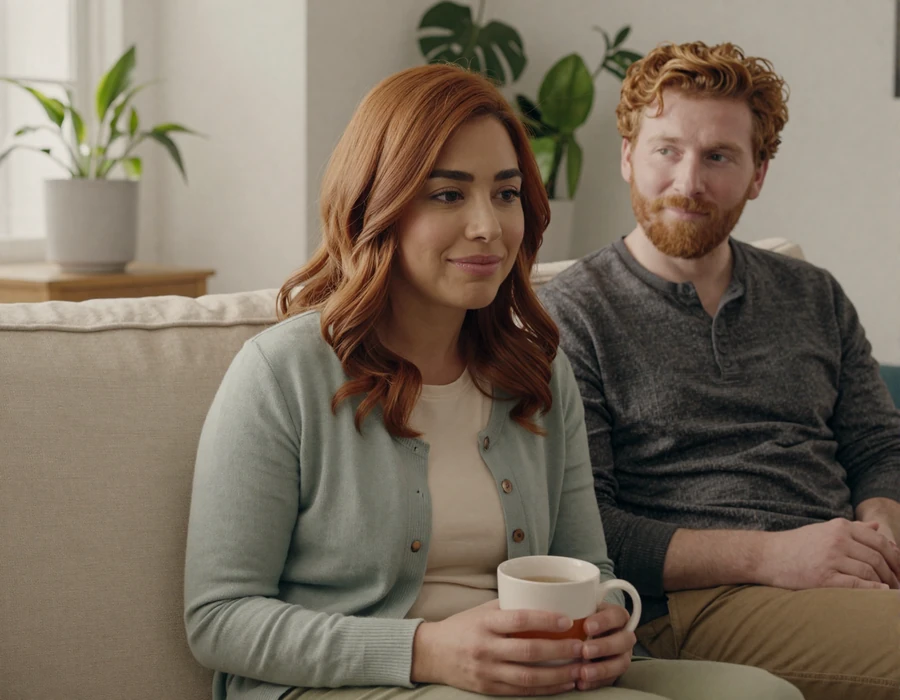
Renee was diagnosed with bipolar II at 26 and had been gun-shy about disclosure ever since - three previous partners had ghosted in the days after the conversation. On InclusiveDating she used the judgment-free Disability Deets section to share her diagnosis up front, with a link to her mood-tracking routine. Sam, who has a brother with bipolar I, read it the way she meant it.
I disclosed on day one, in writing, in my own words - not in a panicked text three weeks in. Sam asked what helped during a low mood and what didn't. That single question was more support than I had received in eight years of dating elsewhere. We are coming up on two years, and he reads my mood chart with me on Sundays.
Learn more about dating with bipolar disorder or read our companion guide on mental-health-informed dating.
“Disability is not the obstacle to love. Inaccessible design is. We built a place where the chemistry gets to be the conversation.” - InclusiveDating community team
Find Your Community
Twelve Doors Into the Same Inclusive Home
Every success story above started in one of these dedicated communities. Pick yours - or browse a partner's - and meet someone who already gets it.
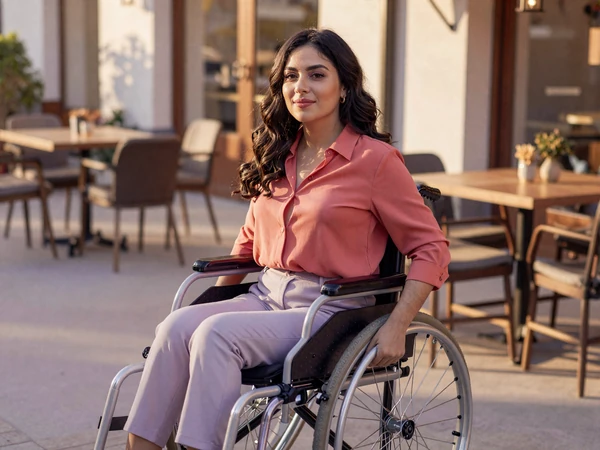
Wheelchair Dating
Manual and powered chair users, paraplegic and quadriplegic singles.
Wheelchair dating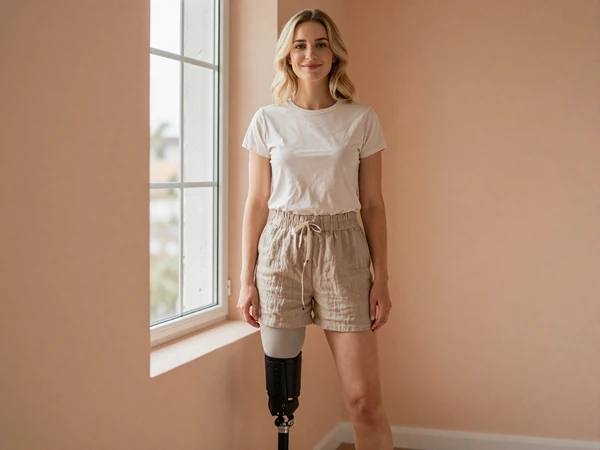
Amputee Dating
Confident connections with anti-fetishization moderation and disclosure scripts.
Amputee dating
Autism Dating
Low-sensory UI, structured prompts, and identity-first language for adults on the spectrum.
Autism dating
ADHD Dating
Flexible timing, no streak guilt, and conversation scaffolds that respect executive function.
ADHD dating
Little People Dating
A respectful home for the LP community with video verification.
Little people dating
Blind Dating
Screen-reader optimized, with audio bios, voice messages, and image descriptions.
Blind dating
Down Syndrome Dating
Simplified interface, safeguarding, and optional caregiver integration.
Down syndrome dating
Bipolar Dating
Judgment-free disclosure and mental-health resources for bipolar I, II, and cyclothymic adults.
Bipolar dating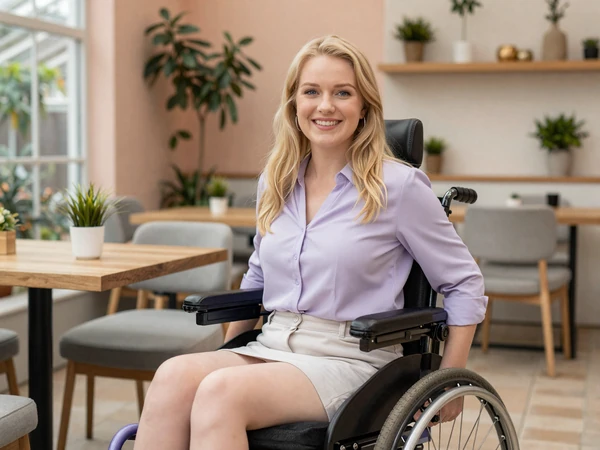
Cerebral Palsy Dating
Text-based support for speech variation and accessibility-friendly venue planning.
Cerebral palsy dating
PTSD Dating
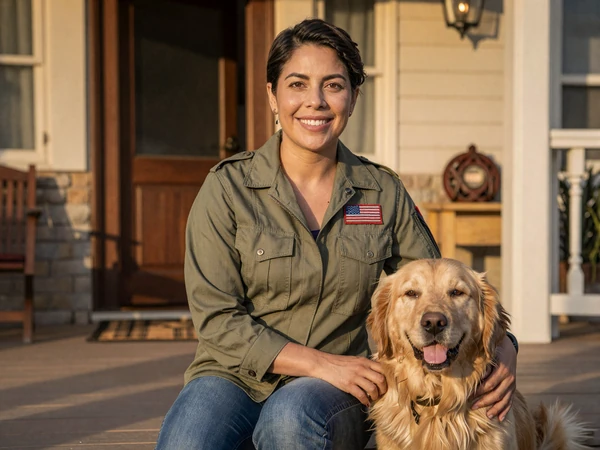
Veterans and survivors: opt-in pace controls, pause-matching, trauma-informed moderation.
PTSD dating